

The journey of gambling Tracing its historical evolution and cultural impact
The Origins of Gambling
The practice of gambling dates back thousands of years, with evidence of its existence in ancient civilizations such as Mesopotamia, China, and Egypt. Archaeological findings reveal that rudimentary dice made from bones were used in these cultures, indicating that games of chance have always been a part of human activity. In ancient China, around 2300 BC, the earliest forms of lottery-like games emerged, allowing people to wager on outcomes for material gain. Today, many enthusiasts can enjoy these exciting experiences through the crazy time app.
As societies evolved, gambling became intertwined with cultural and religious practices. In Greece, for example, games of chance were a popular pastime among citizens, often taking place during festivals dedicated to the gods. The Romans took gambling a step further, legalizing certain forms of betting and establishing games in public arenas, a practice that influenced the development of modern gaming as we know it today.
The Development of Casino Culture
The rise of dedicated gambling establishments, or casinos, began in the 17th century. The first official casino, the Ridotto, opened in Venice in 1638, providing a controlled environment for gambling. This innovation marked a significant shift, as it allowed for both social interaction and entertainment, drawing individuals from various backgrounds together. The allure of winning money in a glamorous setting attracted the elite and laid the groundwork for future establishments.
As gambling became more widespread, different countries developed their own unique gaming cultures. In France, for instance, the establishment of the Casino de Spa in the 18th century marked the beginning of a new era, where the French refined various card games, contributing to the development of popular games like poker and baccarat. Meanwhile, in America, the Gold Rush era led to the establishment of saloons and gaming houses, setting the stage for the modern casino industry.
The Legalization and Regulation of Gambling
Throughout history, the perception of gambling has fluctuated, leading to periods of both acceptance and prohibition. In the early 20th century, many countries implemented strict regulations and outright bans on gambling, viewing it as morally dubious. However, the landscape began to change in the latter half of the century, as states and nations recognized the potential economic benefits of regulated gambling.
Legalization efforts in Las Vegas during the 1930s transformed the gambling industry, turning it into a major tourist attraction. The successful model of Las Vegas inspired other regions, leading to the establishment of casinos in Atlantic City and, later, the expansion of tribal gaming in the United States. This shift not only contributed to local economies but also changed the perception of gambling from a vice to a legitimate form of entertainment.
The Cultural Impact of Gambling
The cultural impact of gambling cannot be understated. It has influenced art, literature, and even music across various cultures. From Shakespearean plays that explore themes of chance and fate to modern films highlighting the thrill of high-stakes gambling, the narratives surrounding gambling have resonated with audiences. Moreover, traditional games, such as mahjong and poker, have become cultural symbols, representing strategy, luck, and social interaction.
Additionally, gambling has shaped social norms and behaviors, affecting everything from family dynamics to community engagement. In many cultures, gambling serves as a social activity, bringing people together to bond over shared excitement and competition. However, it also raises issues of addiction and responsible gaming, prompting discussions about the balance between enjoyment and the potential for harm.
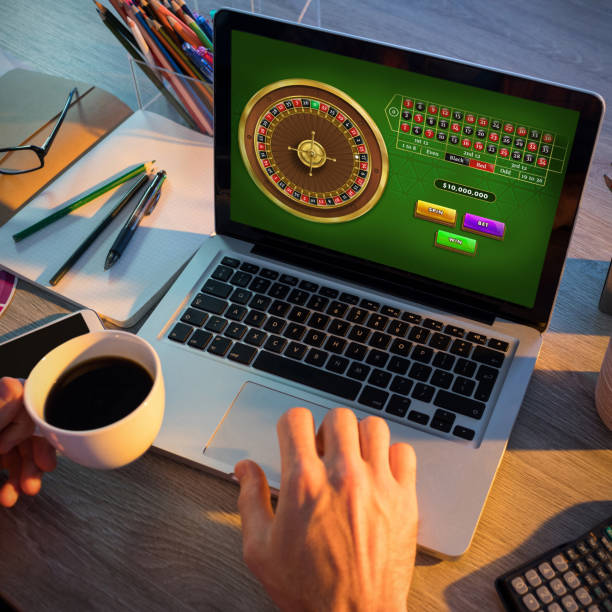
Exploring Modern Gambling through the Crazy Time App
In today’s digital age, the landscape of gambling has transformed with the advent of technology. Mobile applications, such as the Crazy Time App, have revolutionized how players engage with live casino games. This platform allows users to access a variety of gaming experiences from the comfort of their homes, merging traditional gaming with modern convenience.
The Crazy Time App not only offers a range of live dealer games but also emphasizes safe and responsible gaming practices. As players navigate through vibrant interfaces and interactive features, the app aims to enhance their overall experience. This evolution highlights the ongoing journey of gambling, reflecting both its historical roots and its adaptation to contemporary society.